
Reverse Coloring Book: How It Works, Supplies, and Page Style
reverse coloring book: search-intent guide for adults and creative beginners, with page-selection criteria, print setup, supply notes, and product-fit.
People searching reverse coloring book want to know what kind of coloring product or printable page actually fits their use case before they buy or print. Use this guide to understand reverse coloring and decide whether it fits a low-pressure creative routine. It covers format, supplies, page style, and fit before any buying or printing decision.
Before choosing a reverse coloring book, adults and creative beginners should answer three questions: who will color it, how long the activity should last, and what paper or supplies will be used.
If you came from a nearby search such as reverse coloring pages, one color coloring book, and abstract coloring pages, use the same checks below when the real need is the same format, audience, or supply decision.
Quick answer
Reverse coloring starts with color fields already on the page, then you add lines, doodles, shapes, and details on top. It is closer to drawing over color than filling blank spaces.
How to choose Reverse Coloring Book
Use this section as the quick buying or printing filter for a reverse coloring book. A stronger choice usually comes from matching format, audience, and supplies before comparing styles.
- Choose the mood and session length before the theme; adult coloring works best when the page feels inviting at the time you will use it.
- Confirm the format first: full coloring book, printable PDF packet, single page, or activity bundle.
- Match the detail level to adults and creative beginners; a pretty preview is not useful if the page is too crowded or too simple.
- Check one interior page before judging the cover because the cover often looks more polished than the actual coloring pages.
- Pick supplies before printing: crayons need bold open shapes, colored pencils handle detail, and markers need one-sided pages plus backing paper.
Good fit if
- You can see at least one real interior preview, not only a styled cover image.
- The page count fits the activity length instead of padding the file with repeated or low-value pages.
- The supply plan is realistic for home, classroom, event, or gift use.
Skip or rethink if
- The listing hides interior pages or shows only a cover mockup.
- The keyword match is broad but the theme, age range, or supplies do not match the person coloring.
- The file requires special trimming, software, or paper that the user probably will not have.
What to know before choosing Reverse Coloring Book
Search results for reverse coloring book can mix printable PDFs, physical books, single pages, bundles, and unrelated supplies. That makes the first decision practical: choose the format, audience, and page style before comparing prices or covers.
This query has enough marketplace competition to reward a careful choice: roughly 1,143 listings for about 8.86x listing pressure. The useful comparison is format explanation, with attention to how reverse coloring works, who it suits, and how to use it for low-pressure creativity.
How reverse coloring works
In a standard coloring book, the lines tell you where color goes. In a reverse coloring book, color comes first and the user adds the line work. That changes the value of the page: it becomes a prompt rather than a finished outline.
- Use black pens, gel pens, or fine markers to add shapes on top of soft color areas.
- Look for pages with varied color fields; a flat wash gives fewer drawing prompts.
- Start by outlining the largest color shape, then add small interior details.
- Treat the page as abstract if you do not see an obvious subject right away.
Reverse coloring compared
| Situation | Better choice | Avoid |
|---|---|---|
| Traditional coloring | Lines first, color second | People who like clear boundaries |
| Reverse coloring | Color first, lines second | People who want creative prompts |
| Monochrome coloring | One color family | People who want fewer palette choices |
| Doodle pages | Open spaces for drawing | People who want to invent most details |
Reverse coloring starter steps
- Choose a page with three or four clear color areas.
- Use one black fineliner before adding colored pens.
- Add outlines first, then patterns, then small marks.
- Stop before every space is filled; open areas are part of the style.
Reverse Coloring Book mistakes to avoid
Most bad a reverse coloring book choices fail for practical reasons, not because the theme is wrong. Watch for these problems before you spend money, ink, or classroom prep time.
- Choosing maximum detail when the real goal is a calm session, short break, or low-pressure creative routine.
- Printing the whole file before testing one page at actual size with the supplies you plan to use.
- Buying the biggest bundle without checking whether the pages repeat the same layout or difficulty level.
- Ignoring whether the activity needs a full book, a small packet, or only a few single pages.
Reverse Coloring Book product fit
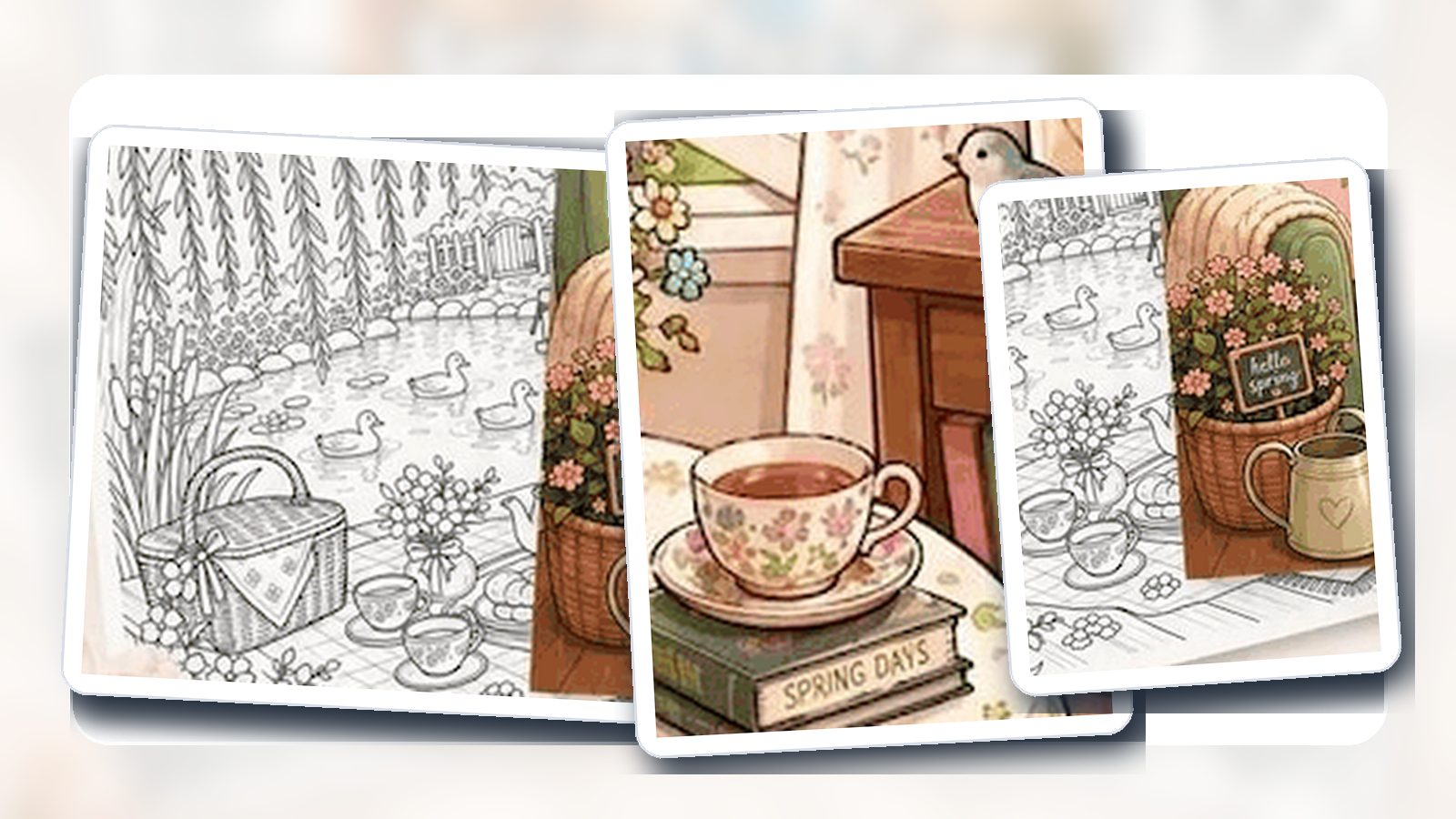
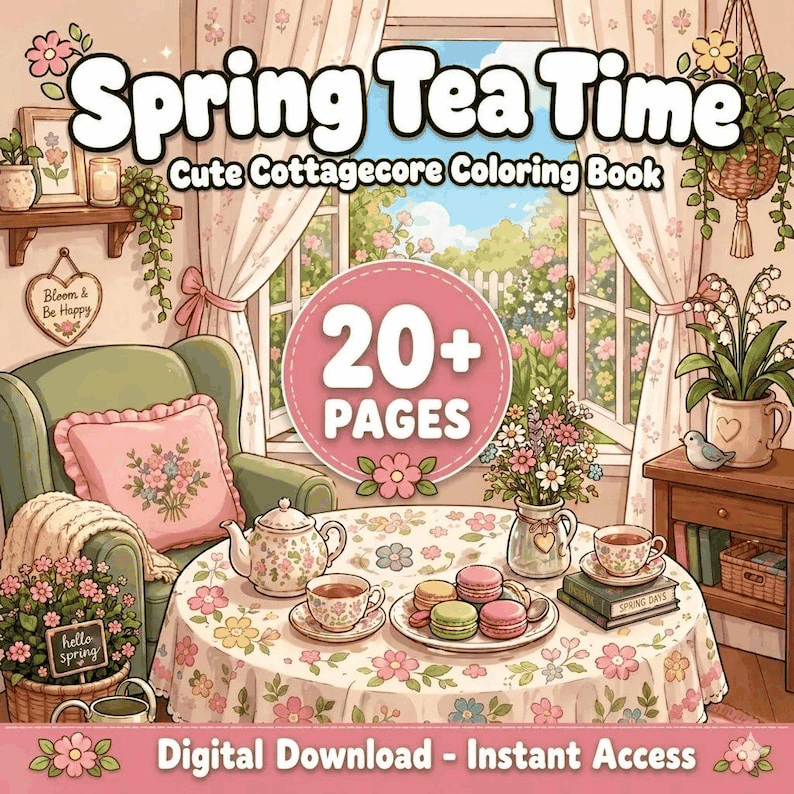
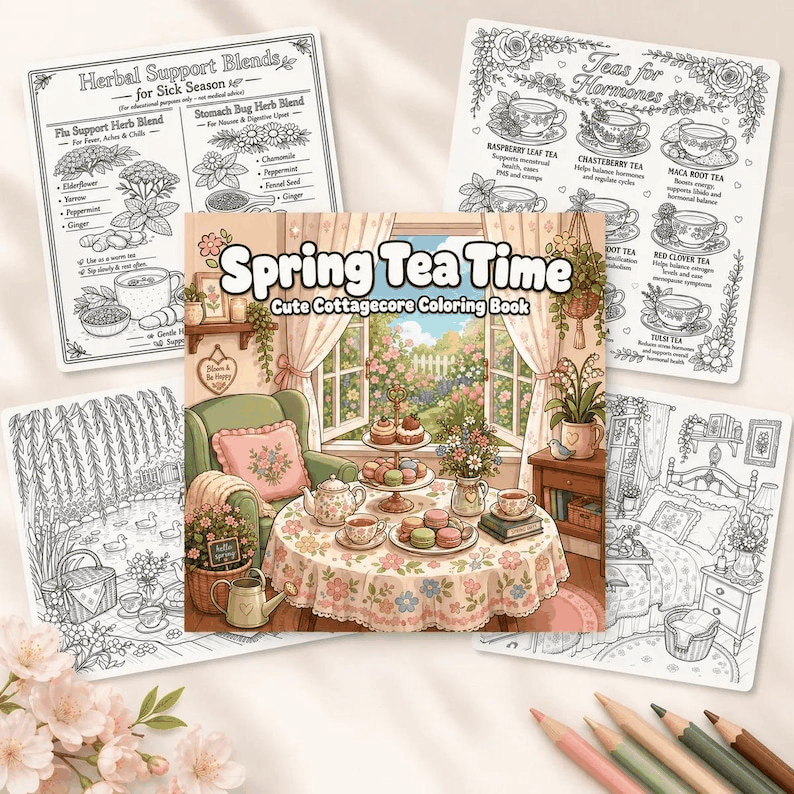
Coloring Nest does not yet have a dedicated reverse coloring book product. The closest printable example is Spring Tea Time Cottagecore Coloring Book from the Cozy and Cottagecore collection, so treat this as a standalone educational guide rather than a direct product recommendation.
- Use the criteria in this guide before buying, printing, or building a packet elsewhere.
- Open the linked product only if the preview art, audience, and page count match what you actually need.
- A dedicated product would be needed before this topic should become product-focused.
Reverse Coloring Book next steps
Use the how-to-print guide for paper, scaling, and printer setup. Then browse the printable coloring book shop only if a current printable set actually fits the audience, theme, and supplies you plan to use.
Reverse Coloring Book FAQ
Is reverse coloring good for beginners?
Yes, especially for people who freeze in front of a blank page. The color fields give a starting point while still leaving room for personal marks.
Can I make reverse coloring pages from printable PDFs?
You can experiment by adding soft color fields to blank paper first, then drawing lines over them. A purpose-made reverse page will usually have better color placement.
Related printable sets
Related guides
Printable PDFs